
Review your routine before browsing
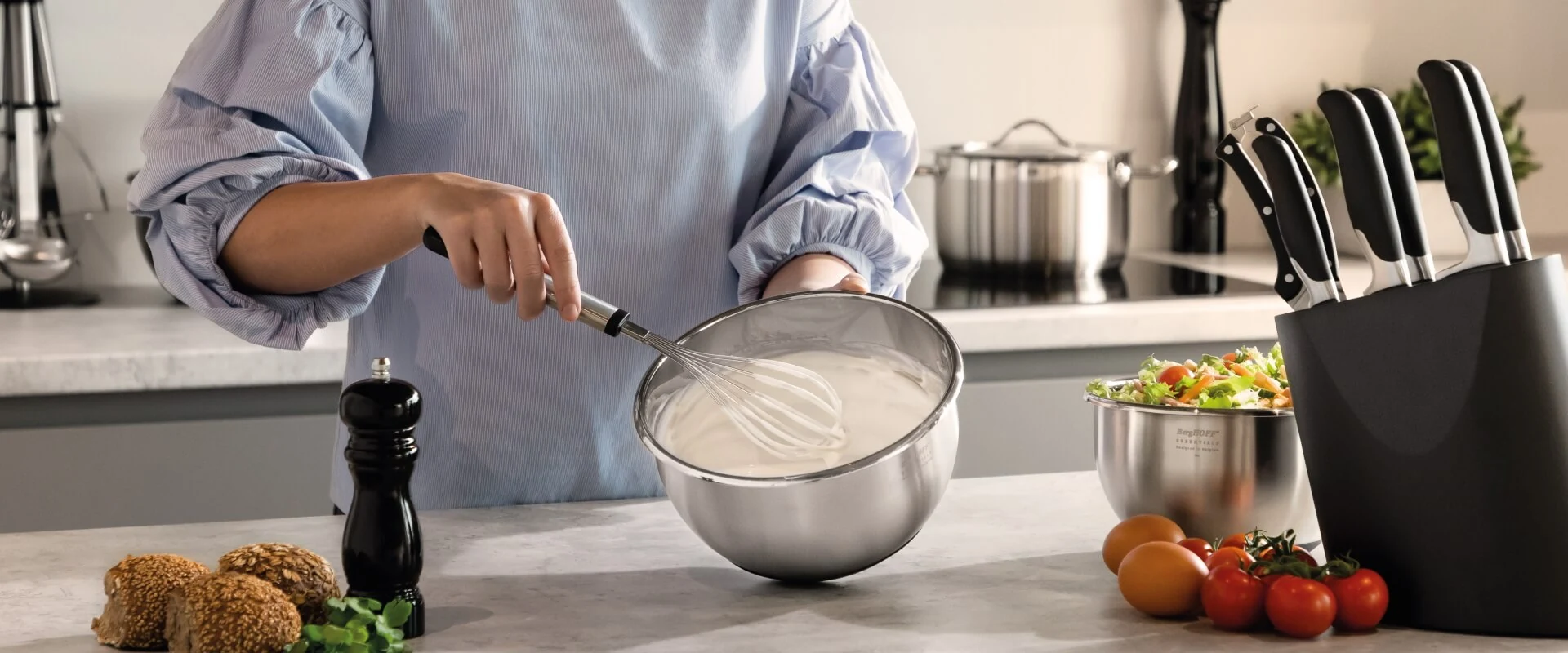
For a few days, notice the tasks you repeat: preparing breakfast, chopping ingredients, making a drink, cooking dinner, or serving a meal. Note what feels slow and which tools you are always looking for. Those tasks make a better starting point than trends or someone else’s shopping list.
Check what you already own. Do you still use it? Do two pieces do the same job? Knowing what is available helps you make a focused decision and set a spending limit that makes sense for your household.
Compare options with three questions
First, how often will you use the tool? Second, will it make a particular task easier or only replace something that still works? Third, where will you store it, and how will you care for it? These questions are more useful than comparing features that do not fit your routine.
If you have several candidates, write down what you like and what you still need to confirm. Check the size, material, compatibility, and care directions on each product page. If information is missing, look for an official source before deciding.
| Need | Priority | Question before buying |
|---|---|---|
| Used every day | Easy to reach and comfortable to use | Does an existing tool already do this job? |
| Used occasionally | Easy to store without crowding the work area | Can something you own already handle this task? |
| Limited kitchen space | Suitable size and storage | Is there a safe, accessible place to keep it? |
| Shared kitchen | Easy to recognise and put away | Does everyone know how to use it? |
Check the details that determine fit
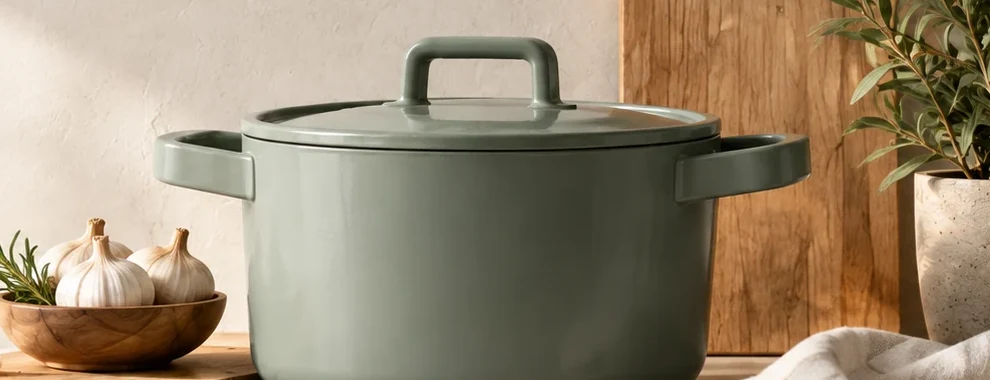
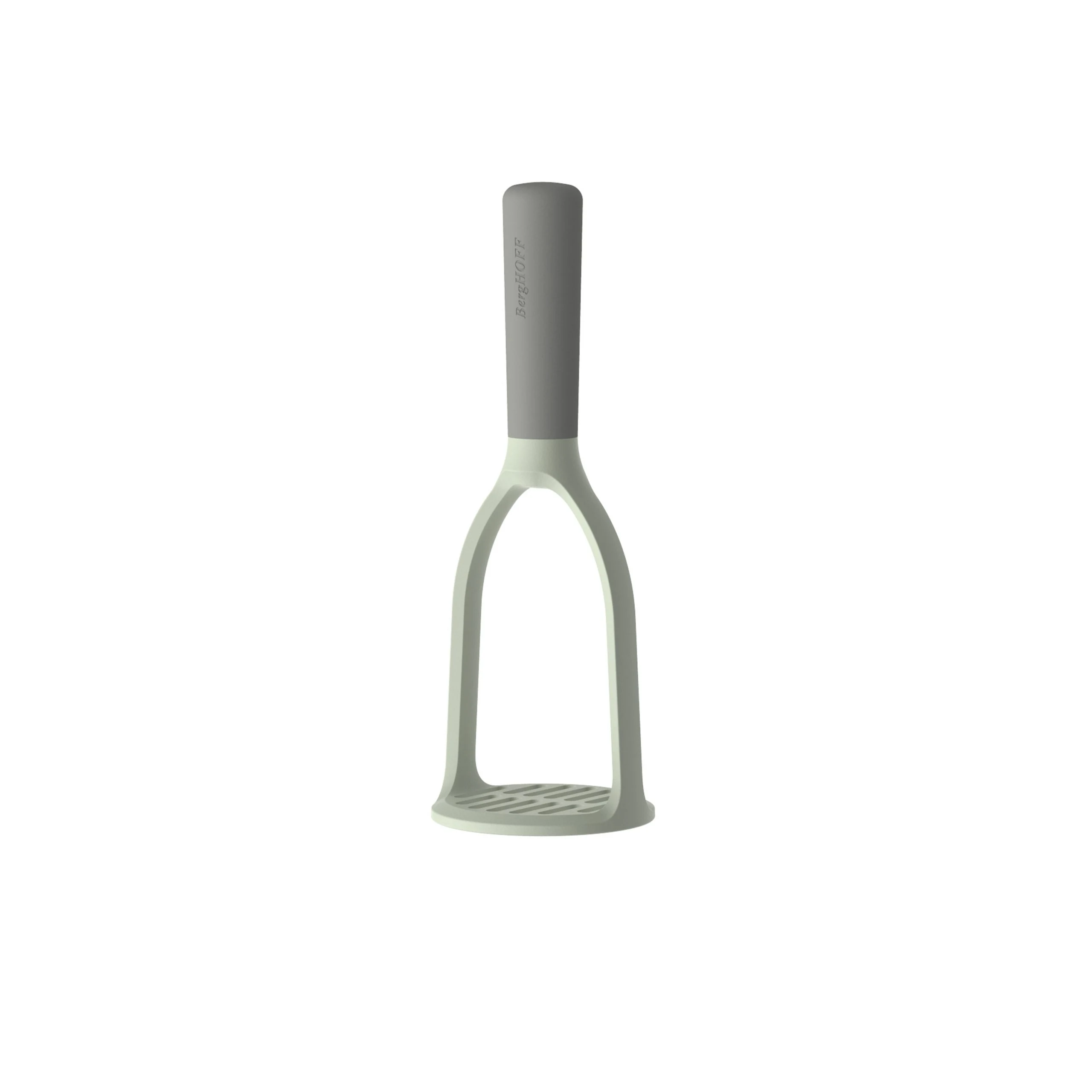
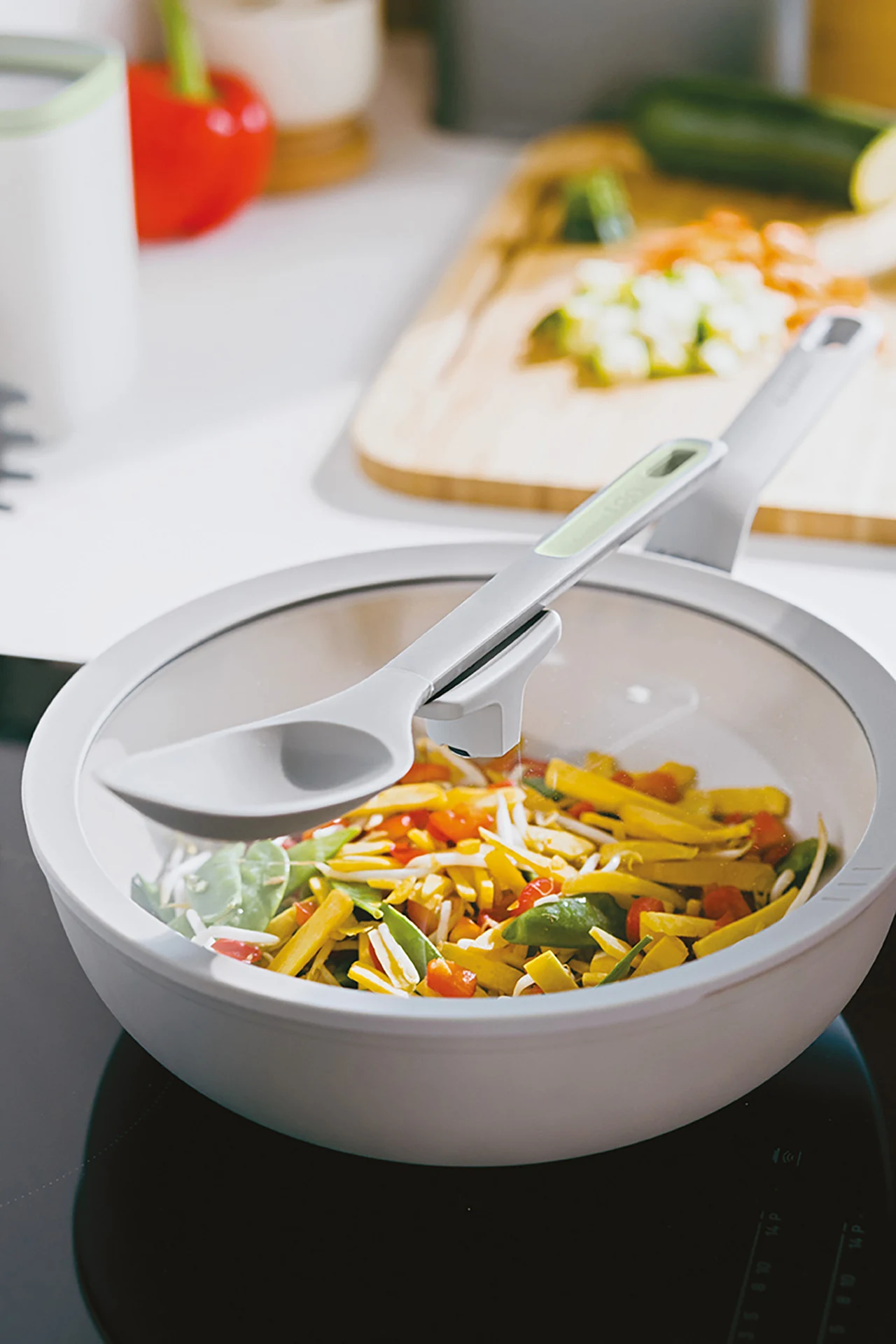
A size can be difficult to judge from a photograph. Compare the listed dimensions with the counter, cabinet, or shelf space you have. For cookware, read hob compatibility and instructions for use. For preparation tools, consider the shape, grip, and storage after washing.
Do not infer material or durability from colour and appearance alone. Look for the product page and official guide. For warranty, check the terms that apply to the product and purchase channel, rather than relying on a symbol or short line from another source.
Begin with one important need
Sort your list into: needed now, useful later, and not needed yet. Choose one item from the first group and use it regularly before adding more. A step-by-step approach helps you see whether an item actually improves your experience at home.
Keep a simple note of what you use during one week. If a new tool rarely leaves its storage space, do not rush to buy a similar one. If a task still feels awkward, look for a piece made for that job and suited to the room you have.

Try it at home
Challenge: one week, one more thoughtful choice
Choose one kitchen area and note which tools you truly use for seven days. Then pick one item that helps most, one that could be stored better, and one need you have not solved. Your next purchase will have a clearer reason.
Explore categoriesQuick answers
Frequently asked questions
How can I avoid buying tools I rarely use?
Write down your routines and the tools you already own. Choose for repeated tasks rather than appearance alone.
What should I check before buying kitchen tools?
Review function, size, storage, instructions for use, and any product details relevant to your needs.
Is a more expensive tool always a better fit?
Price alone does not determine fit. Compare the details you need, the source of information, and how the tool suits your routine.