
Start with the meals you make most
Think of three dishes that appear often at home: eggs for breakfast, a quick stir-fry, soup for dinner, or a sauce to accompany another meal. This simple note is more useful than a wish list of every tool, because it separates everyday needs from pieces you may only use occasionally.
Then consider portion size, who does the cooking, and how much storage space is available. A piece that is easy to lift and put away may suit your routine better than a large one that rarely leaves the cupboard. If you already own a similar tool, ask whether a new one adds a genuinely useful function.
Compare shapes before choosing a type
Category names offer a starting point, but the shape and details of each model can vary. Use the table as a general guide; check the product information for the size, capacity, material, hob compatibility, and instructions that apply to that specific item.
One piece may work for more than one task, which can help save space. Still check whether its depth, diameter, and handle suit the way you cook. No single shape is best for every meal or household.
| Type | Common shape | Often chosen for |
|---|---|---|
| Frying pan | Wide base with relatively low sides | Eggs, pancakes, sautéing, or turning ingredients easily |
| Wok | Smaller base with deeper curved sides | Stir-frying ingredients while tossing or stirring |
| Saucepan | Deeper form with one long handle | Heating liquids, making sauces, or preparing smaller portions |
| Casserole | Deeper form with two side handles | Soups, stews, or meals that need more room |
| Grill pan | Ribbed cooking surface on some models | Creating grill marks on a stovetop |

Five checks before you choose
First, match the cookware to your hob and the available space using the product details. Second, compare diameter and capacity with your usual portions. Third, consider the weight and handle shape: will it feel comfortable to lift, move, and store for the person who will use it?
Fourth, read the material, coating, and cleaning information on the product page or official guide. Fifth, make sure you have a safe place to store it. Do not assume every piece works with every hob or can go in an oven; those limits depend on the specific model.
- The cooking tasks you do most often
- Size, capacity, and storage space
- Hob compatibility and instructions for use
- Care information and any listed warranty coverage
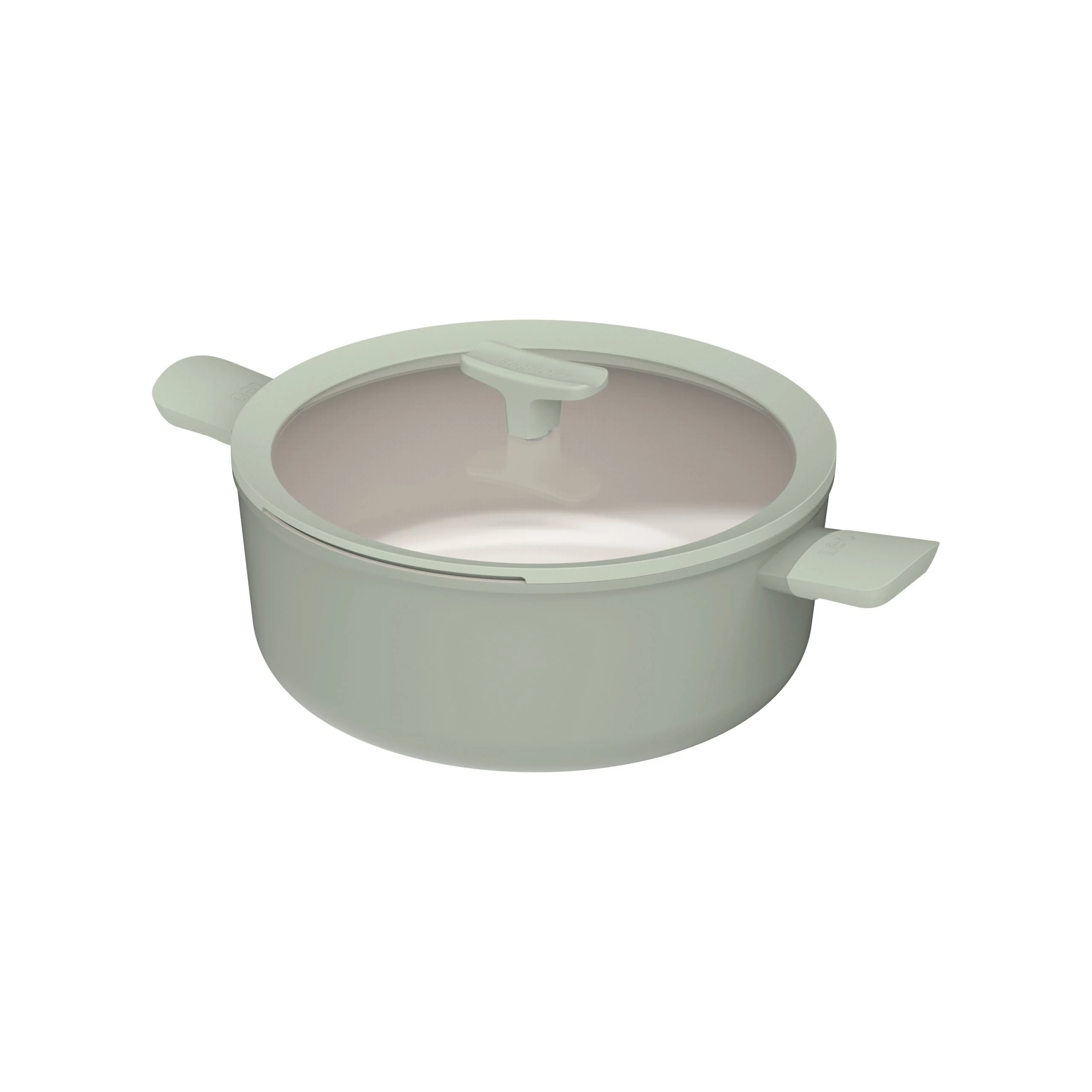 CHOOSE FOR YOUR ROUTINEFind cookware that fits the way you cookExplore the collection
Build a small set that works together
To begin, choose one piece you use most and another for a different task. For example, a wide-base pan for quick cooking and a deeper piece for dishes with more liquid. Add another tool only when there is a job you cannot handle comfortably with what you own.
This makes comparison clearer: does a new piece add a different function, a more suitable size, or simply repeat a role you already have? Keep a short note of the meals and tools you use over several days. It can reveal what you actually need next.
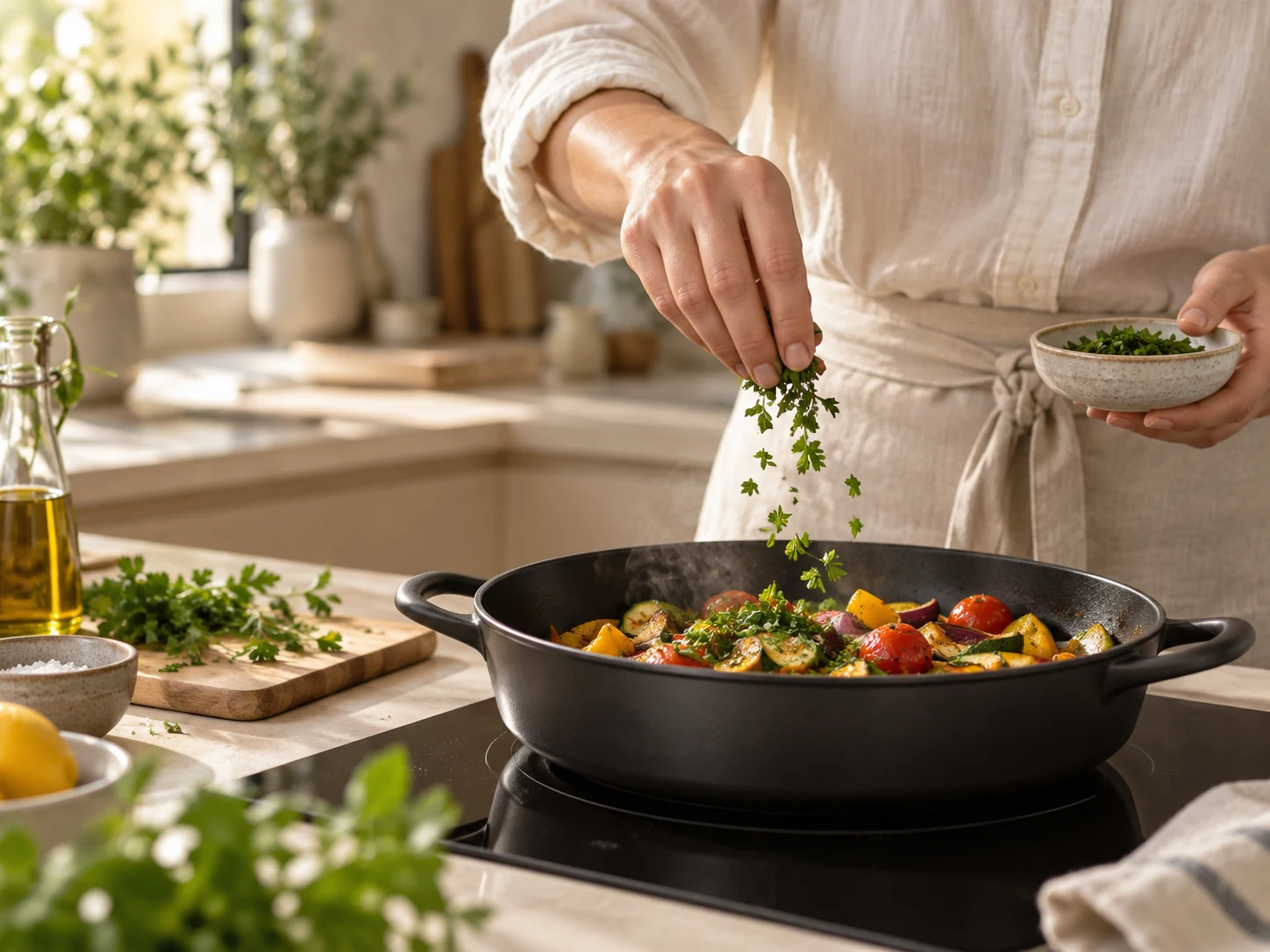
Try it at home
Kitchen challenge: three meals, two tools
Choose three meals to cook this week. Write down the tools they need, then see whether two pieces you already own can cover them. Mark the one task that still feels awkward; that is a useful clue for deciding what to look for next.
Explore cookwareQuick answers
Frequently asked questions
What is the main difference between a frying pan and a wok?
A frying pan is generally flatter and lower-sided, while a wok is more curved. Choose based on the movement and type of cooking you do most, and check the details of the specific model.
How many pans do I need?
Start with the tasks you actually do and the tools you already own. The right number depends on your meals, portions, cooking habits, and storage space.
Can all cookware be used on induction?
Not always. Check the compatibility details on the product page or official guide for the specific model before use.